
Getting Started with Static Pressure Diagnostics
By Adam Mufich, National Comfort Institute (NCI)
Static pressure is one of the most overlooked measurements in residential HVAC, yet it's one of the most revealing. Here's how to start using it on every call.
It is not uncommon to find existing systems without test ports installed, which means no one has ever measured static pressure. National Comfort Institute (NCI) has been preaching the importance of static pressure testing for more than 30 years. While it is true that static pressure is important, it should be kept in context while looking at either measured or plotted fan airflow.
Low static pressure is not considered good if the equipment is operating below the required fan airflow. On the flip side, high static pressure doesn't necessarily mean you need to renovate the duct system or add an Air Upgrade®. If the fan is moving more air than the system's design airflow, that could be nothing more than a simple fan speed adjustment. In other words, it is important to consider both the system's pressure profile and fan airflow.
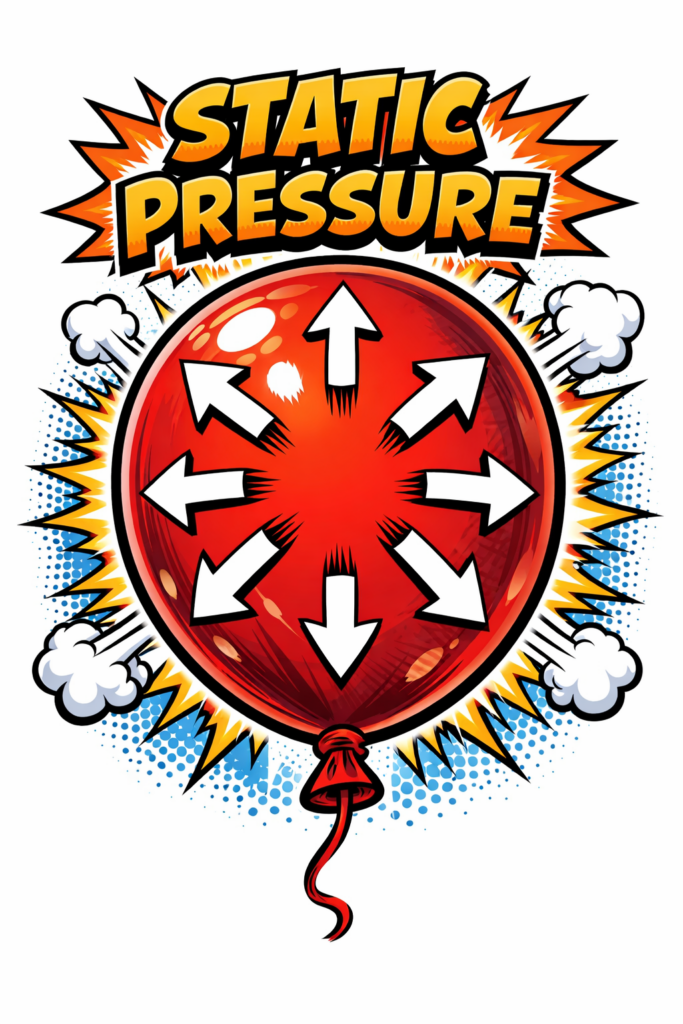
If you are new to airflow diagnostics, you might be wondering what static pressure actually is. Static pressure in a supply duct is the outward force the fan exerts in all directions within the duct system. A balloon is an easy way to visualize it. There is no airflow within a balloon - there is only air pressure pushing out in every direction.
Pressure Profiling a System
There are five pressure measurements that need to be analyzed on every gas furnace and four on most air handlers. Each measurement you take provides unique insight and diagnostics for the individual system components and duct system.
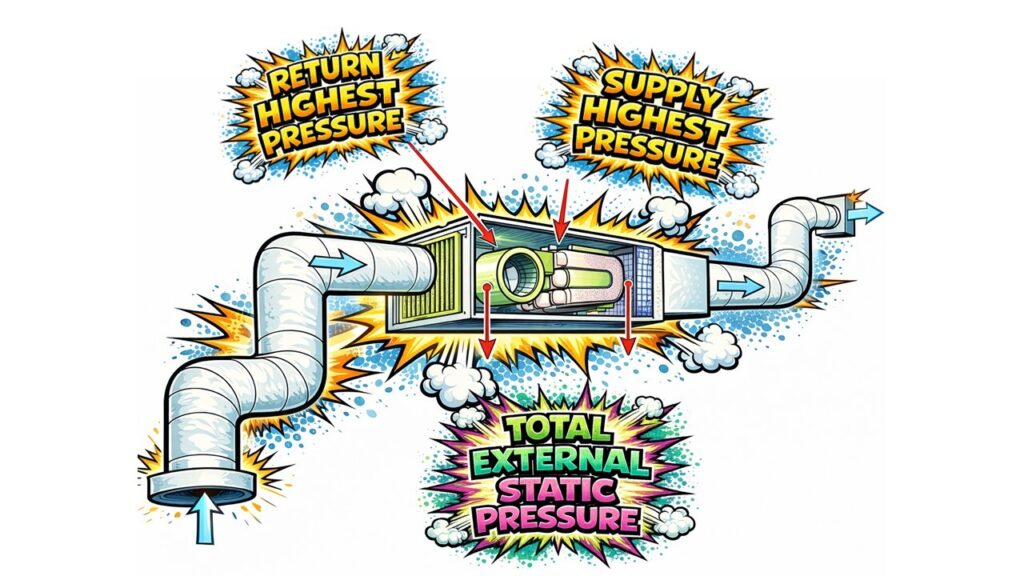
These measurements include:
- Total External Static Pressure (TESP) - The sum of all pressures on the supply and return side of the system.
- Filter Pressure Drop (Filter ΔP) - The difference between the pressure before and after the filter.
- Coil Pressure Drop (Coil ΔP) - The difference between the pressure before and after the evaporator coil.
- Supply Duct Pressure - A single-point measurement useful in diagnosing duct deficiencies on the supply side of the system.
- Return Duct Pressure - A single-point measurement useful in diagnosing duct deficiencies on the return side of the system.
The most common mistakes technicians make when taking these measurements are either taking them in the wrong location or doing the math incorrectly. The next biggest hurdle is understanding what these measurements actually mean.
If you want to see how these measurements fit into the bigger diagnostic picture, take a look at my previous post on heat pump efficiency and performance testing.
Watch: The NCI Air Upgrade™ with The Energy Conservatory & measureQuick
An Easy Way to Get Started
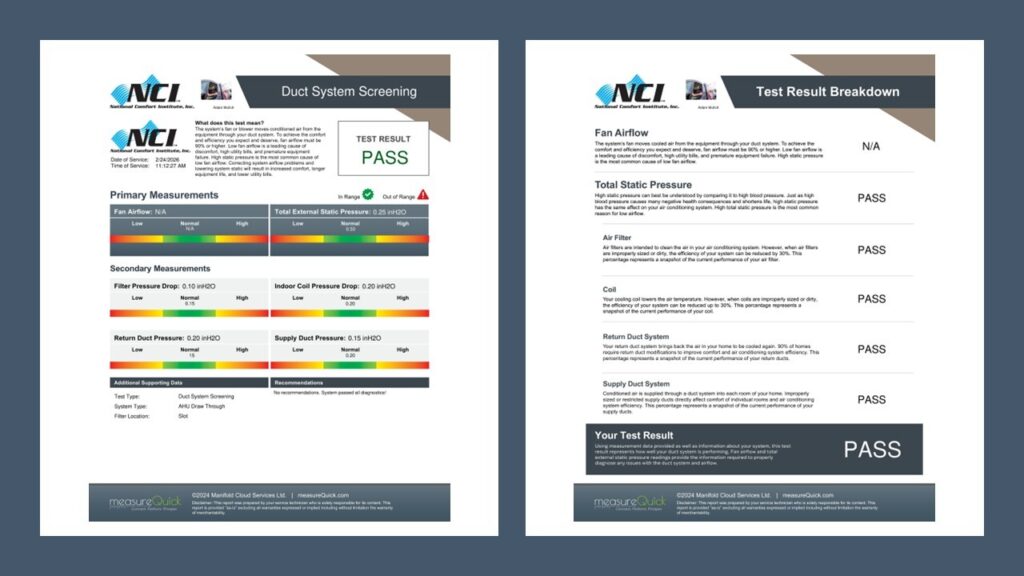
It has been almost two years since NCI partnered with measureQuick® (mQ) to create the AirMaxx® quick tests. They can be a powerful tool in your arsenal for communicating airflow deficiencies to your customers through an easy-to-understand, visual report.
The quick tests also provide valuable diagnostic data to help you understand where any airside deficiencies lie. NCI's static pressure budgets are built into mQ for quick and repeatable diagnostics. All three of the following tests are free and available to you now.
The NCI quick tests include:
- Static Pressure Screening
- AirMaxx with Fan Table
- AirMaxx with TrueFlow Grid
Static pressure screening is the easiest way to get started with static pressure diagnostics. The workflow provides guidance on where to take the measurements based on the specific type of equipment you are testing.
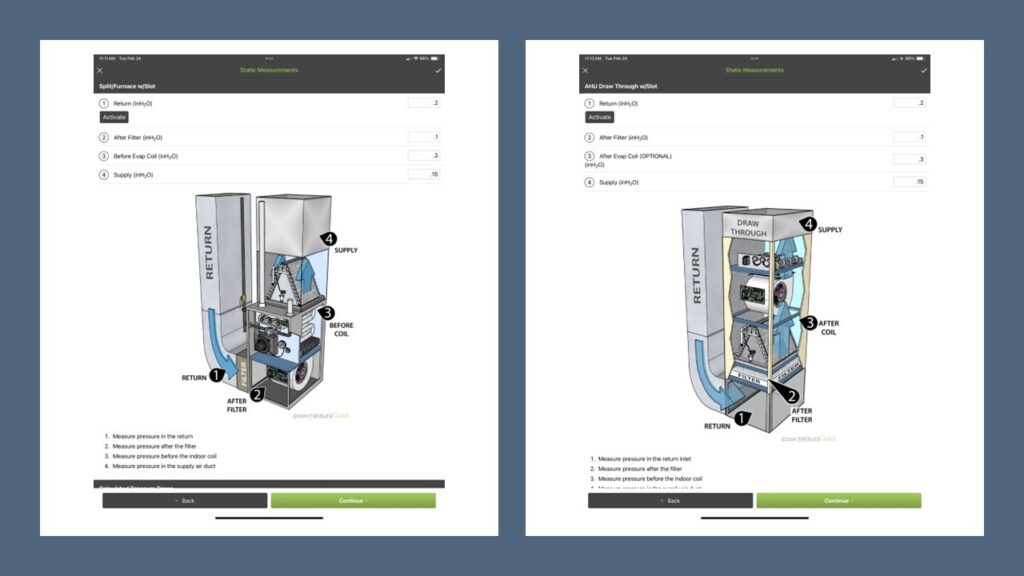
You can manually enter pressure measurements if you are using a Magnehelic or an older digital manometer. Or, if you use Bluetooth-enabled tools, you can capture the measurement by pairing the device in measureQuick's Toolbox.
Watch: How to use measureQuick for Reporting, Commissioning, and System Diagnostics
Who Is Static Pressure Screening For?
If you work in residential HVAC, this quick test is for you. Any service or maintenance technician can quickly integrate static pressure screening into their daily workflows in less than five minutes. By presenting the report and offering solutions, techs can increase their daily revenue by presenting options they might have otherwise missed.
The AirMaxx quick tests also provide value for installers, allowing them to test a new installation and confirm that new equipment operates as intended. Proper verification at installation is the difference between 57% and 90% system capacity - a gap no contractor should be comfortable with.
Comfort advisors should also take advantage of the NCI quick tests. When companies quote equipment replacement, it is common for static pressure and airflow issues to be overlooked. This could mean unnecessary callbacks due to premature part failure or noise complaints that could have been prevented before the job was quoted. It could also mean leaving money on the table by missing Air Upgrade® opportunities.
Watch: A measureQuick Success Story - Doug Larson with Genz-Ryan
Start Measuring, Stop Guessing
It is your job as HVAC professionals to move BTUs throughout your customers' homes, and airflow is the means of transporting those BTUs. Whenever you visit the doctor, the first thing they do is check your vital signs to get a sense of your health and establish a baseline. Static pressure is the HVAC equipment's blood pressure - an important measurement to understand the health of your customer's equipment. Without this data, do you really have a sense of how the equipment operates? Probably not.
Besides, the NCI quick tests in measureQuick are free. There's nothing standing between you and better diagnostics on every call.
"If you don't measure, you're just guessing!" - Rob Falke
About the Author
Adam Mufich is an instructor, a member of the curriculum development team, and a podcast host for National Comfort Institute (NCI). Adam owned and operated a residential HVAC company in the Chicago suburbs that specialized in performance-based contracting. If you're an HVAC contractor or technician interested in learning more about NCI's training, contact Adam here. NCI's website is full of free information to help you improve your professionalism and strengthen your company. Visit HVAC Today to read more articles or listen to the High-Performance HVAC Podcast.