
Measure what the flame can't show you.
A running burner does not tell you how the appliance is performing. Give your team a testing sequence that checks safety, verifies input and documents the result.
Why combustion testing matters
You cannot see, smell or hear carbon monoxide. A visual inspection alone cannot tell your team what the appliance is producing.
A combustion analyzer reads what the burner produces: oxygen, carbon monoxide, carbon dioxide, flue temperature and draft. Clocking the gas meter confirms the input. Together, those readings give technicians evidence to check against the manufacturer's instructions.
For service managers, that record also supports the handoff. Document the conditions, measurements and adjustments so the next person can see how you left the equipment.
“We will find things that we simply cannot find with our eyes, our ears, or our nose.”
“With combustion analysis, you have proof of the way you left that piece of equipment”
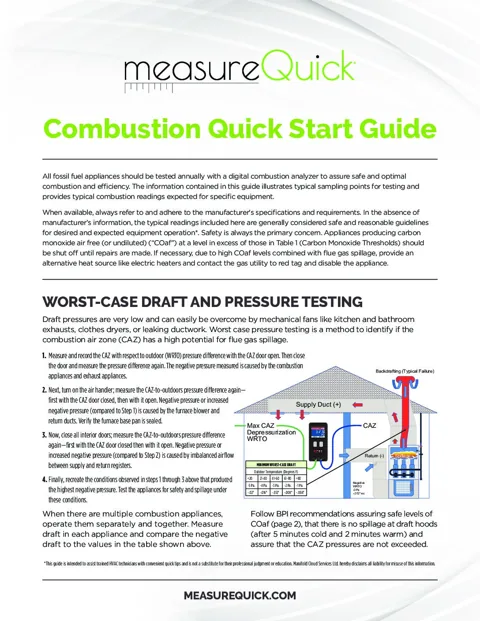
Combustion Quick Start Guide
8 pages, PDF
The guide is free and arrives after you complete the form.
What's inside
- Worst-case draft and combustion appliance zone (CAZ) pressure testing
- Carbon monoxide thresholds
- Sampling locations for standard (70+% AFUE), mid (80+% AFUE) and condensing (90+% AFUE) gas appliances
- Fuel oil appliances
- Domestic and commercial water heaters
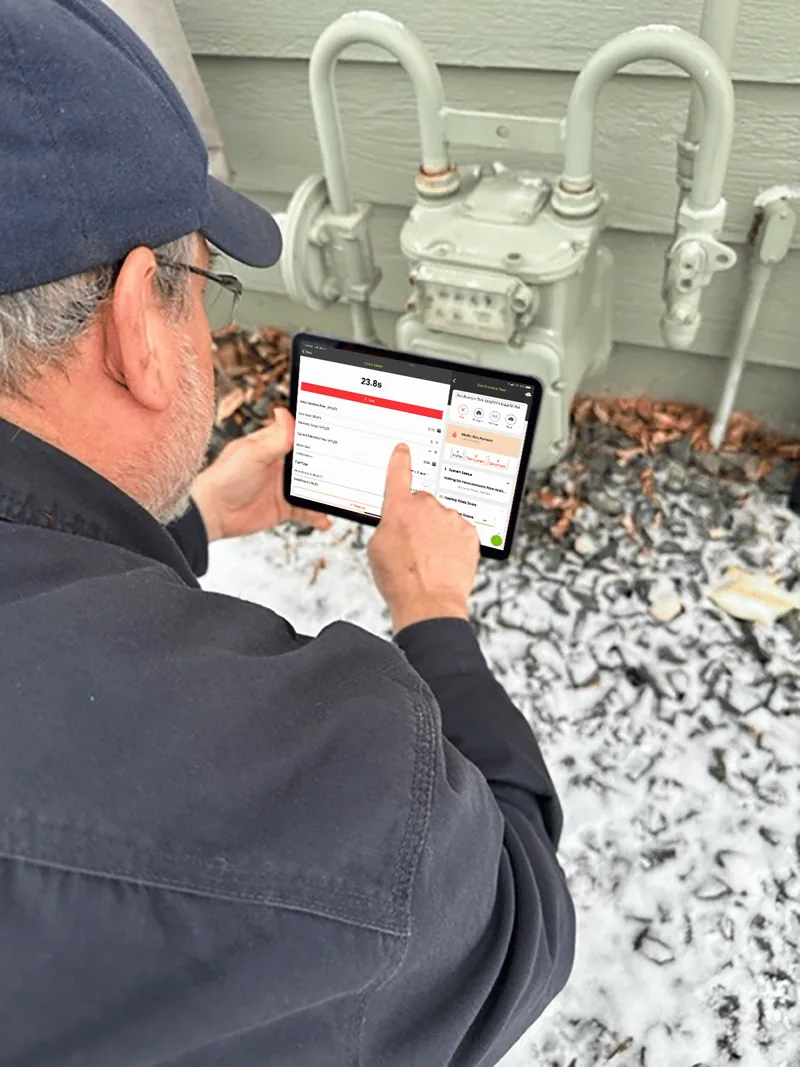
- Verifying input by clocking the gas meter
The guide's nine steps
Follow the manufacturer's instructions first. This sequence is an overview of the guide, for use with equipment-specific procedures and combustion training.
- Verify safe ambient CO.
- Start the appliance and check for spillage (atmospheric draft appliances).
- Set manifold pressure to the manufacturer's specification.
- Verify input by clocking the meter.
- Adjust manifold pressure within allowable limits.
- Perform the combustion test.
- Verify draft.
- Verify temperature rise (set blower speed).
- Verify CAZ depressurization is within limits.
Use the guide's sampling diagrams to review the test location for each appliance type. Keep the readings with the service record.
How measureQuick runs it
Follow the gas workflow
The guided gas furnace and boiler workflow is free. It covers probe placement, testing, and combustion safety and performance evaluation.
Premier Services adds the HVAC Vitals™ score, a stored benchmark and professional reports.
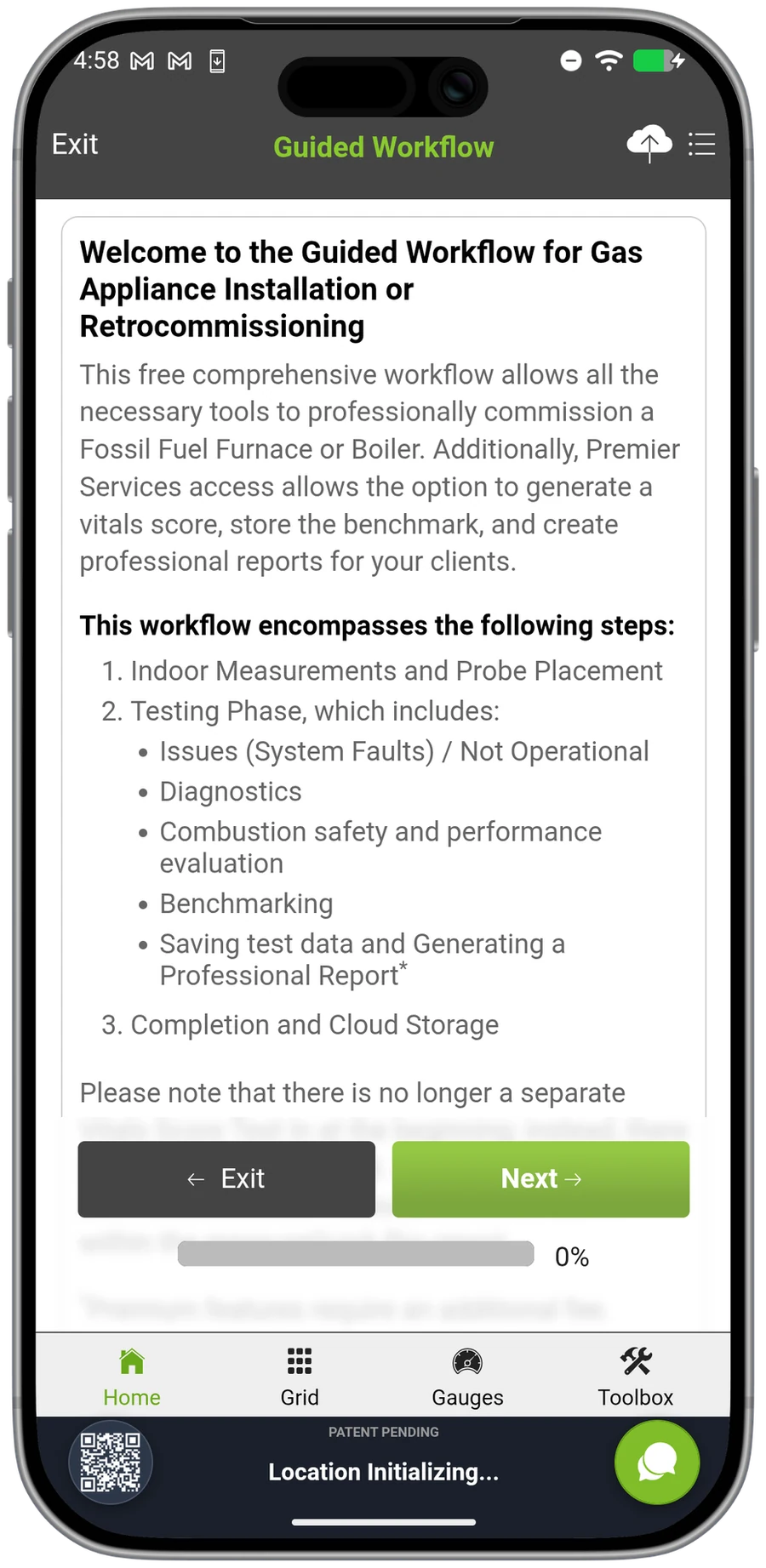
Map the probes before testing
Probe setup shows the required probes and asks you to map them. The workflow guides when and where to install them.
It also guides when to start your combustion analyzer, which the workflow labels optional.
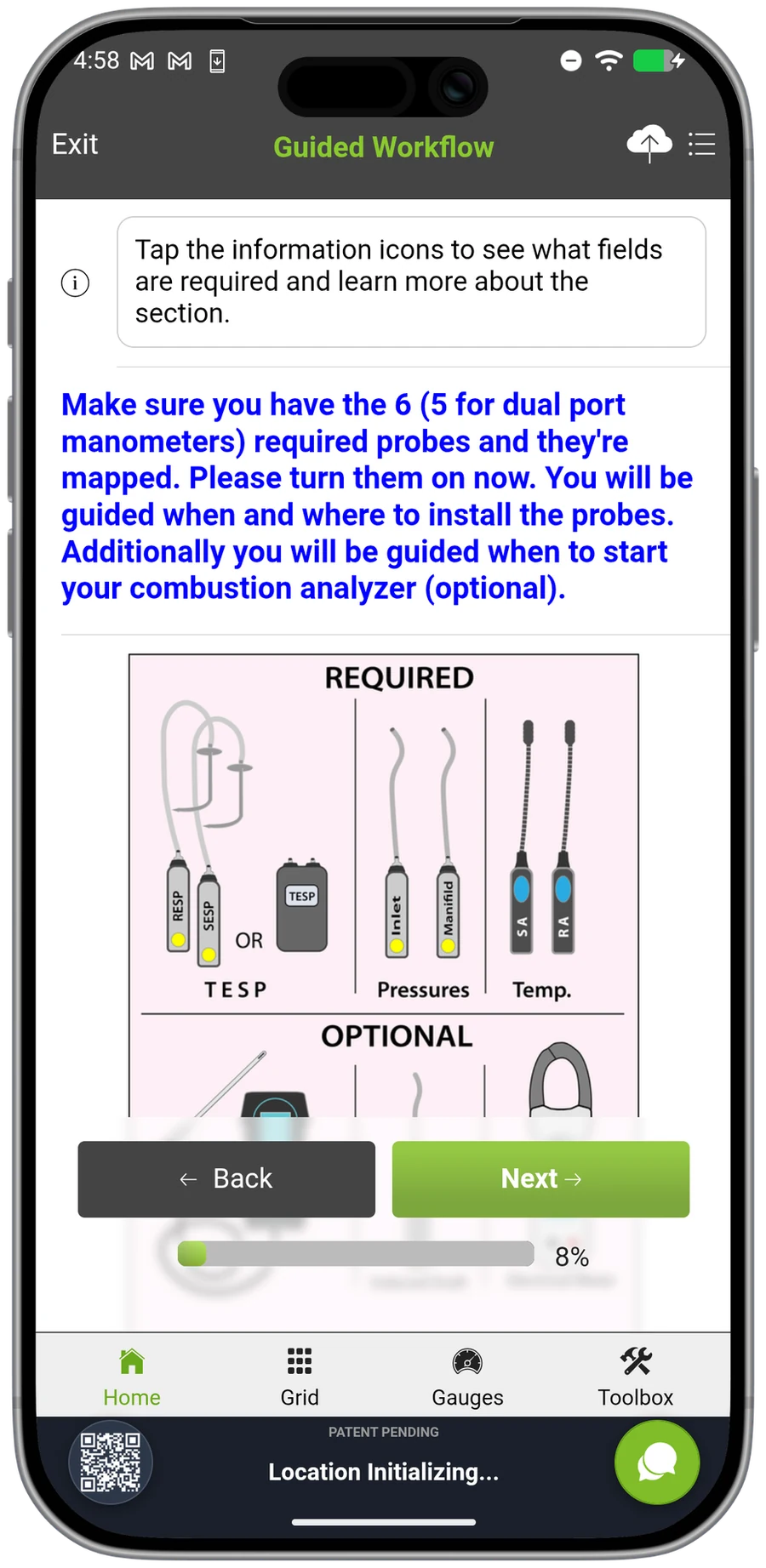
Check ambient, return and supply CO
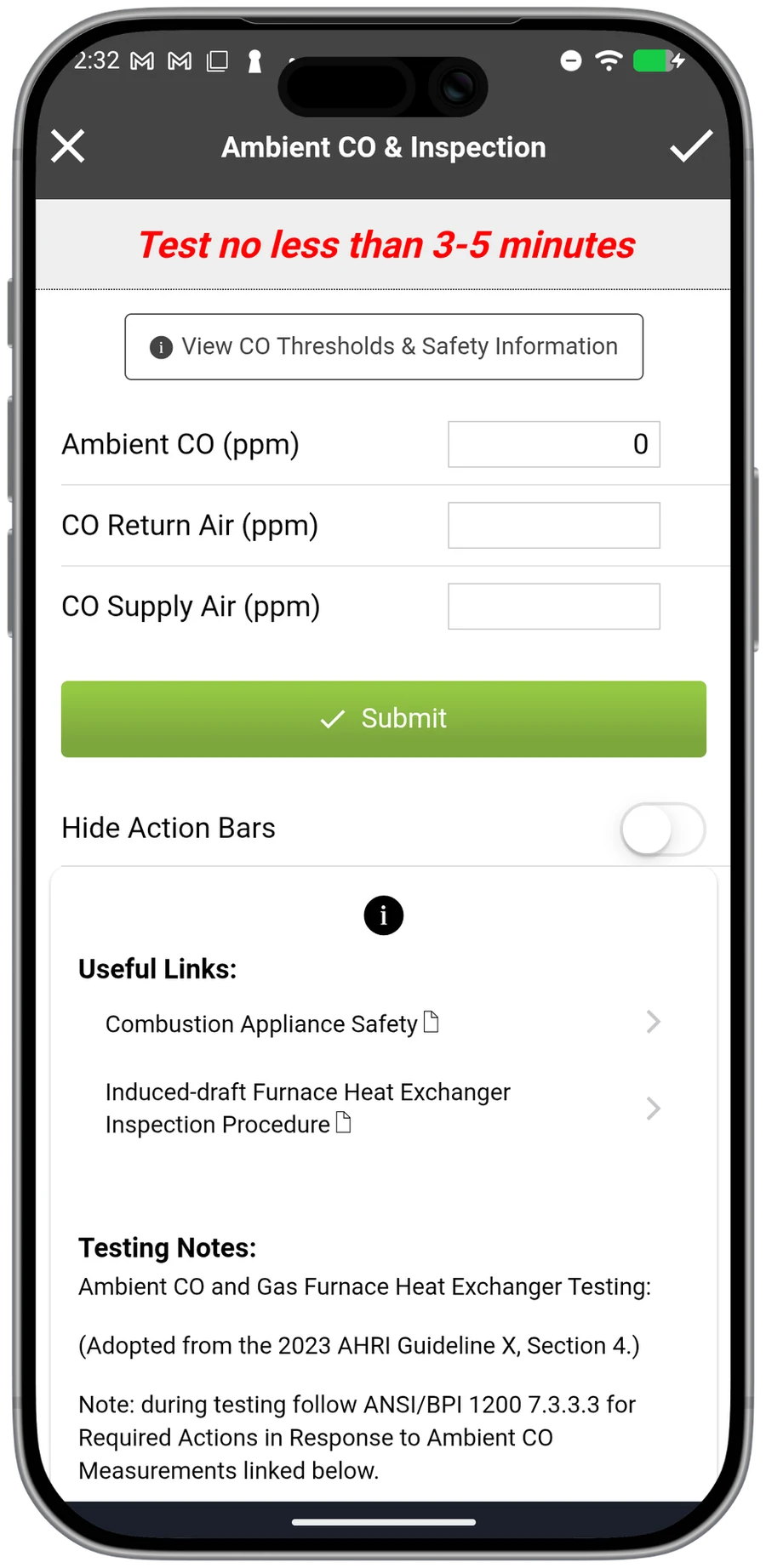
The Ambient CO & Inspection screen brings ambient, return and supply CO readings together. Review those measurements as part of the appliance inspection.
What changed in October
- CO air-free no longer lowers the heating Vitals score. It shows as a four-level condition indicator, and dangerous CO still fails the test.
- A combustion stability indicator shows when readings have settled.
- Multi-cell furnaces are supported on the combustion page.
- Letter grades use the standard scale everywhere: 90 A, 80 B, 70 C, 60 D.
Heating scores from before and after October 2, 2026 are calculated differently, so compare like with like.
“And so that also is full combustion analysis, clocking the gas meter. All those steps are kind of required to get the green little check marks in measureQuick and so that's one of the requirements for us.”
Analyzers that connect
Connect a combustion analyzer for the combustion test. Review the instrument's instructions and the appliance's test requirements before starting.
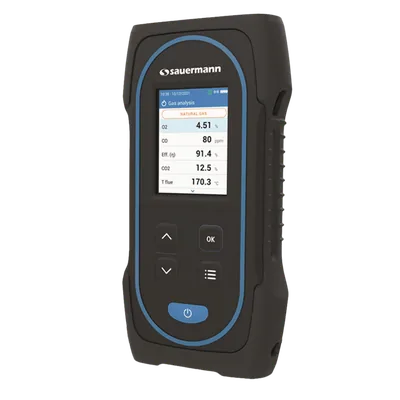
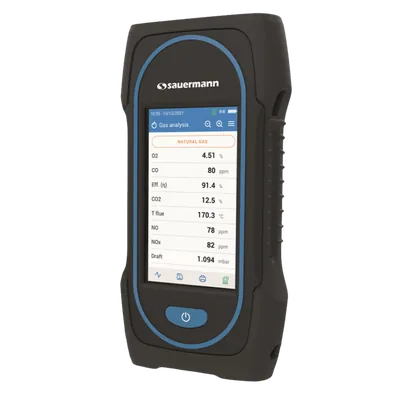
CO monitors such as the UEi COA2 and Sensorcon Protector are detection and alert tools. Browse Smart Tools for gas-pressure manometers.
“If you don't own a combustion analyzer, you can still get a lot out of measureQuick.”
Videos and combustion training
Use these demonstrations to review test practices with your team. Build time for questions about sampling locations, appliance types and interpreting readings.
The Critical Importance of Combustion Analysis ft. Sauermann Analyzers
Combustion Testing Home Appliances
Using A Flexible Probe When Combustion Testing Hot Water Heaters
Plan your team's next session with measureQuick training and NCI's combustion training.
“I recommend taking the measureQuick combustion class and the National Comfort Institute class in combustion.”
Questions, answered
Do I need a combustion analyzer to use measureQuick on gas equipment?
No. The guided gas workflow labels the combustion analyzer optional. You can use the other measurements and inspection steps. A combustion test still requires a combustion analyzer.
Which combustion analyzers connect?
The Sauermann Si-CA 030 and Si-CA 130 connect to measureQuick.
What's in the guide?
The guide covers draft, CAZ pressure, CO thresholds, sampling locations and gas meter clocking. It includes gas appliances, fuel oil appliances, and domestic and commercial water heaters.
Is the guide free?
Yes. Complete the request form to receive the free Combustion Quick Start Guide, an 8-page PDF.
Is the gas workflow free?
Yes. The gas furnace and boiler workflow is free. Premier Services adds the HVAC Vitals™ score, a stored benchmark and professional reports.
Bring the guide to your next team review.
Review the testing sequence, sampling locations and meter-clocking reference together. Use it alongside manufacturer instructions and combustion training.